Envisioning the future - ideation for insurance adjacent products at Allstate
CHALLENGE
In the face of increasing consumer privacy threats, Allstate executive leadership sought to better understand the data privacy landscape, uncover consumer needs, and identify opportunities for new potential products to strengthen Allstate's positioning as a company that provides protection beyond insurance and offers differentiated products to its customers.
The goal was to offer new insurance-related products, and data privacy was a natural complement to Allstate's existing portfolio of products and services.
METHOD
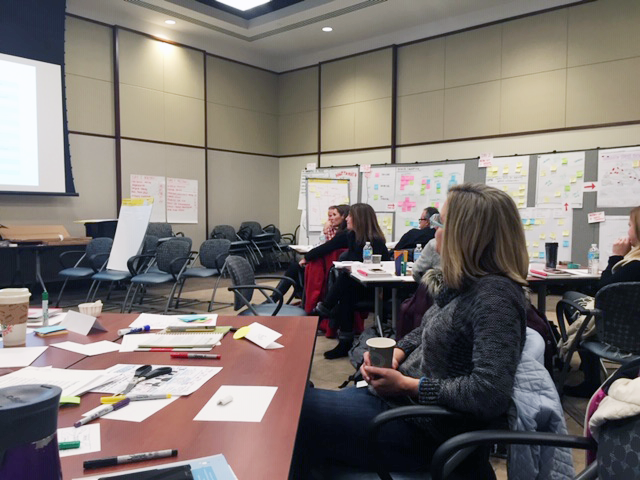
We conducted a series of three design thinking workshops, combined with two rounds of customer testing, over a two-week sprint. The goal was to ideate ways Allstate could increase the types of data capture to expand its offerings and help consumers protect their data and personal information.
As a unified team (Innovation, Marketing, Behavioral Science, and User Experience), we conducted a thorough discovery process that encompassed both primary and secondary research to understand the key points and opportunities in the market.
RESULTS
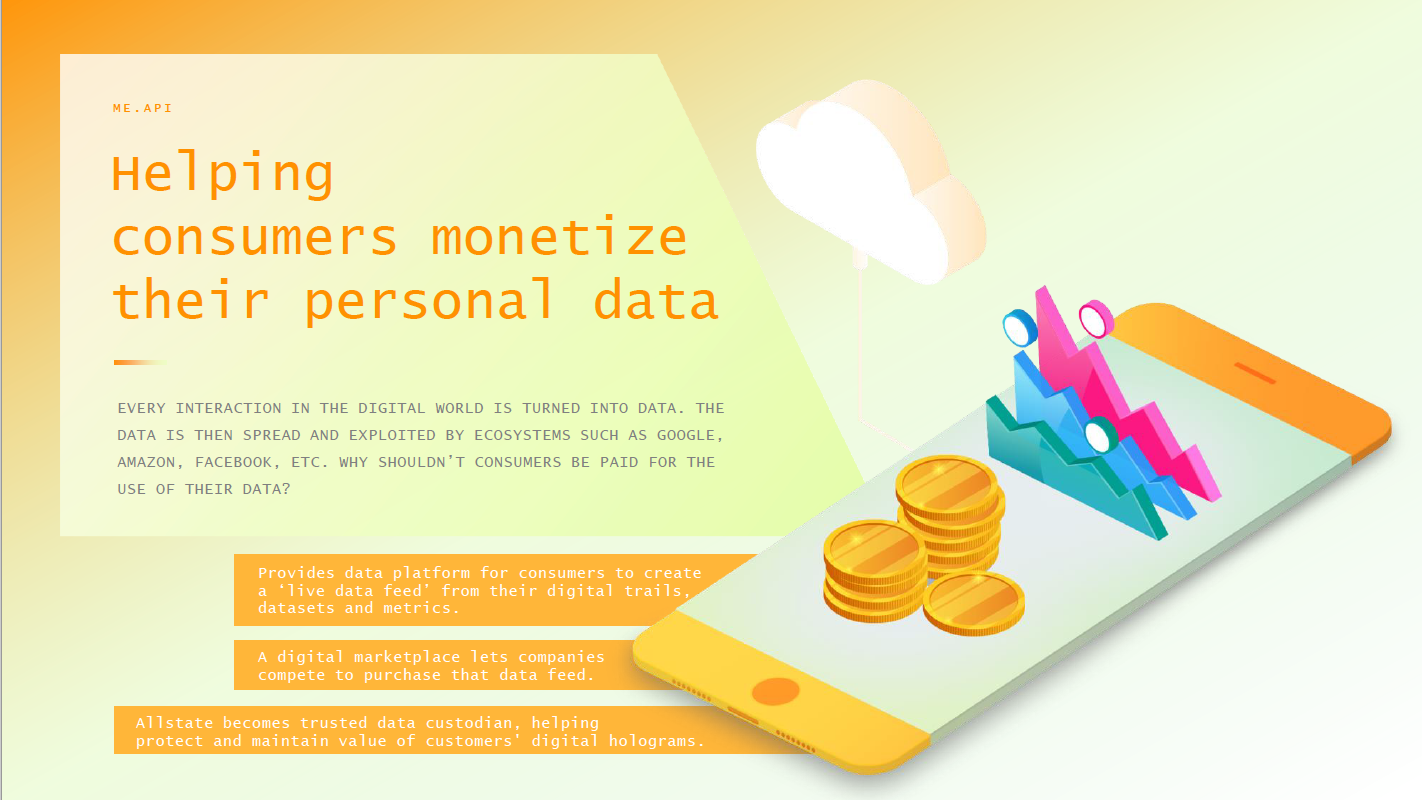
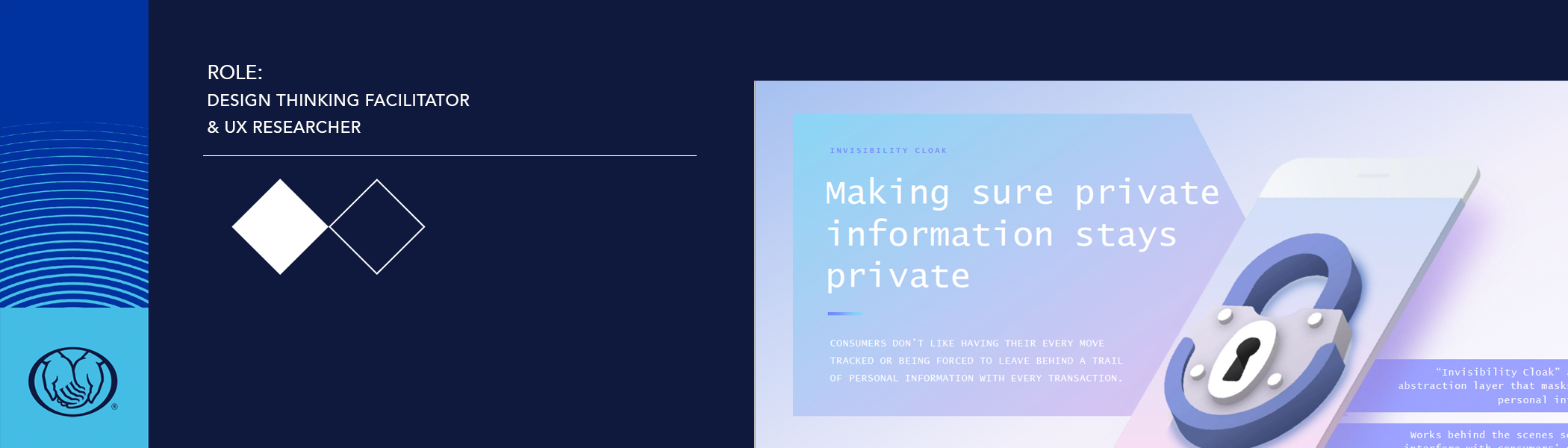
What emerged from this intense collaboration were ten new product ideas, categorized into four distinct data privacy areas, which were presented to the C-suite executives.
We were able to paint a detailed picture of the current data privacy landscape and offer potential solutions that met consumers' needs and values.
Ultimately, two of the proposed products were slated for implementation, contributing to Allstate's development as a leader in the Data Privacy space.
Detailed Project Overview
The discovery squad, which consisted of Data Science, Behavioral Science, User Experience, and Marketing representatives, was paired with Allstate’s Innovation team to support this R&D effort and develop new concepts for future-oriented products and services centered around data privacy and protection.
PROBLEM

Were were facing several challenges while framing the problem:
DATE PRIVACY LANDSCAPE
How might we rapidly understand the data privacy landscape to effectively support our partners in this effort?
The privacy and data-sharing landscape is broad and confusing. There are layers of complexity surrounding cyber security.
We conducted a comprehensive discovery process that combined primary and secondary research with a series of design thinking workshops and consumer testing.
DESIGN THINKING WORKSHOPS
CUSTOMER NEEDS
How might we uncover threats to consumer privacy and research customer’s understanding of those threats?
While many consumers say they want data privacy, they are not aware of the extent to which they sacrifice privacy when using popular services such as Google or social media platforms.
Solution
“Blue Sky” ideation to develop and identify new themes and areas of opportunity.
Review learning from two preceding workshops.
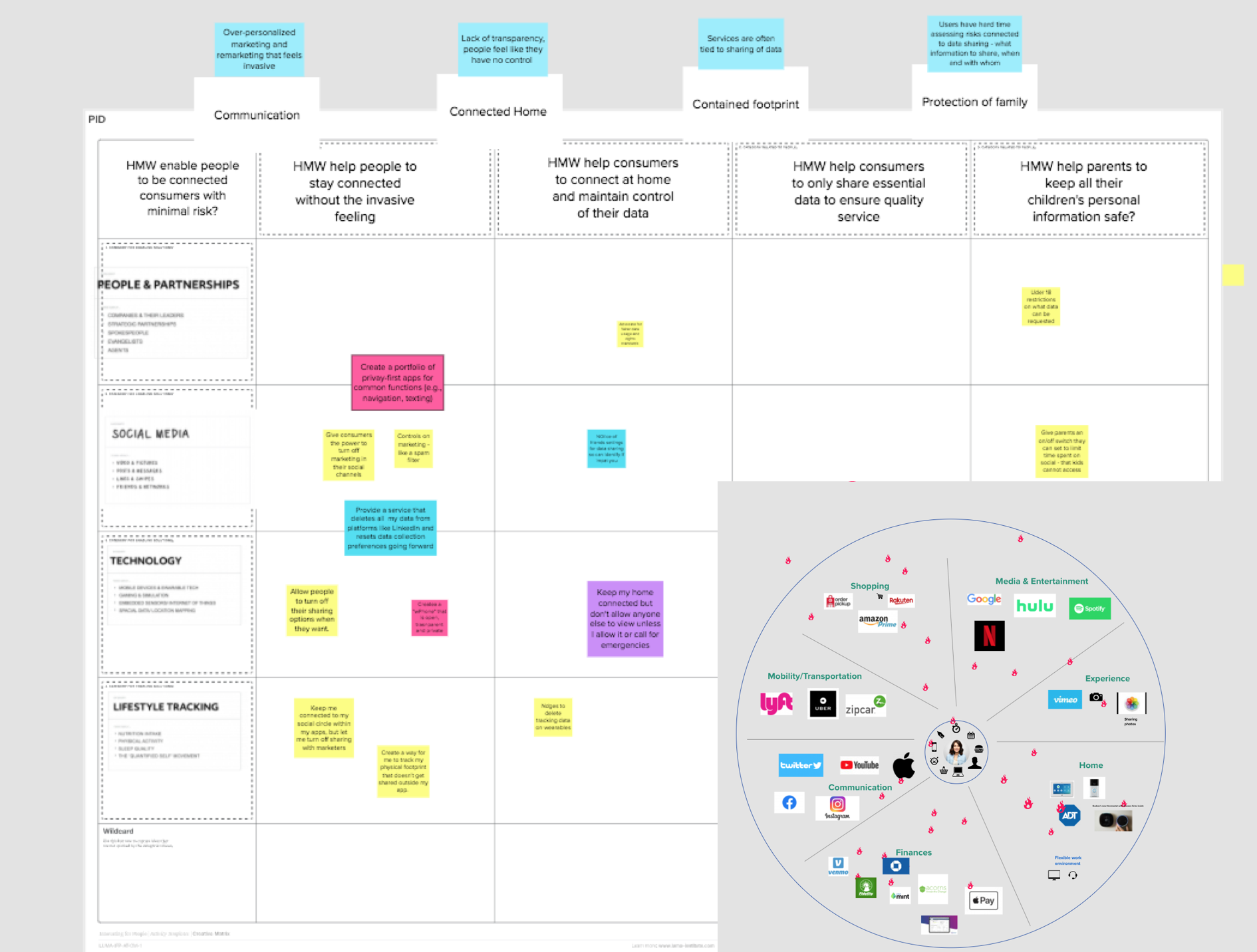
Define how to protect connected consumers’ privacy in all aspects of their lives.
Conduct “Creative Matrix” exercise from LUMA’s toolkit.
Main Tasks
Consumption of existing secondary research and white papers to uncover customer's needs about digital data exchange.
Research customer’s understanding of privacy threats
Ideate and refine product concepts.
Obtain buy-in from Allstate’s executive leadership.
MARKET GAPS
How might we identify gaps and product opportunities in the market for new protection offerings?
There was a need to research customers’ understanding of online and digital privacy and their needs and wants.
Process
Initiated the process with a series of three workshops.
Working sessions with all stakeholders were crucial in understanding customer values and behaviors connected to data privacy exchange.
Marketing Research team was conducting consumer testing.
We also reviewed all the up-to-date work completed by the innovation team, which had already identified several themes and categories, but they needed further investigation and validation.
We needed to ensure that the ideation output was not only technologically feasible but also answered real customer and business needs.
WORKSHOP #1
WORKSHOP #2
WORKSHOP #3
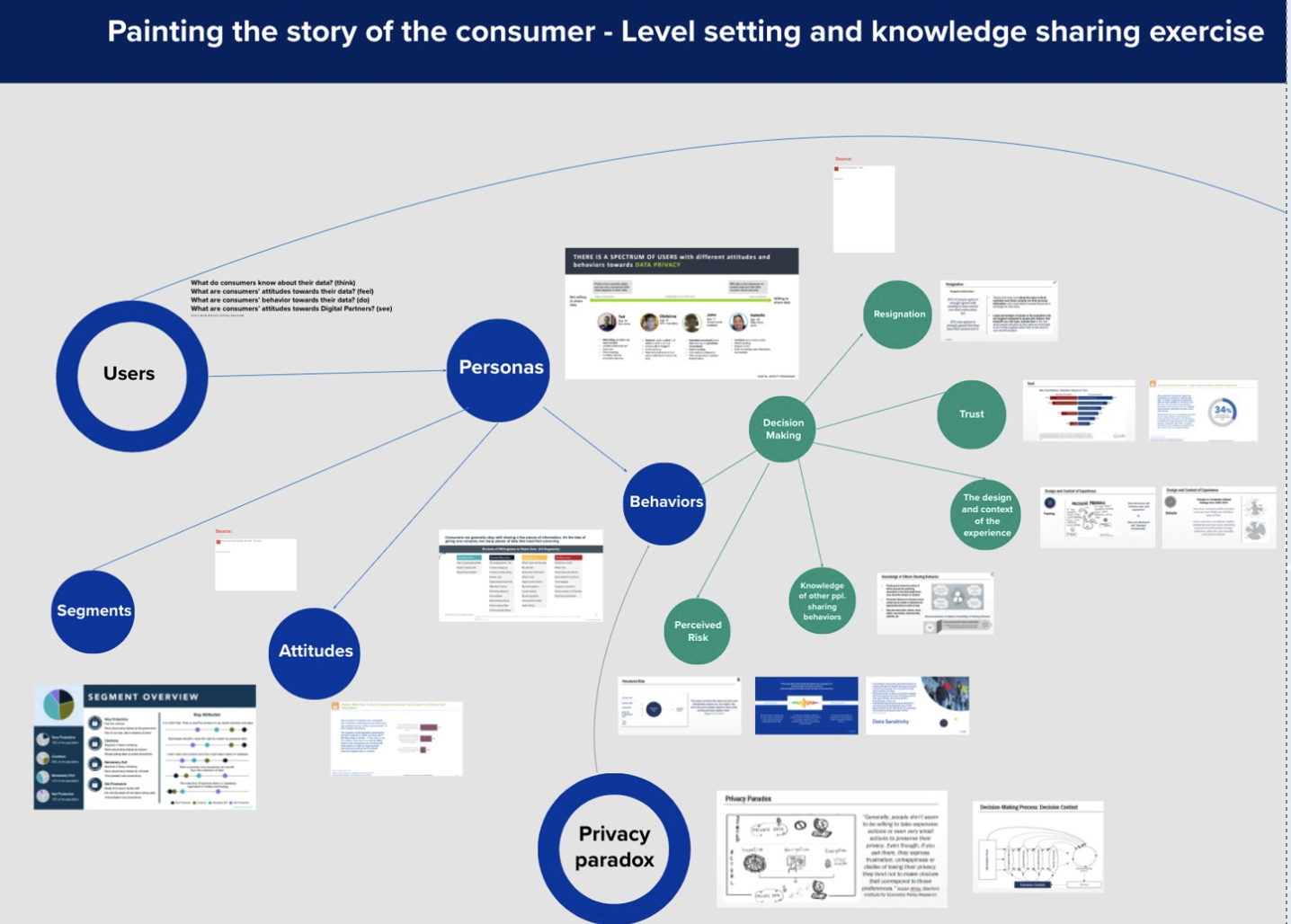
In preparation for workshops, we thoroughly scanned existing and secondary research, including a publication on “Privacy Paradox.”
We leveraged the findings to design workshops with enough background information to serve as springboard for ideation.
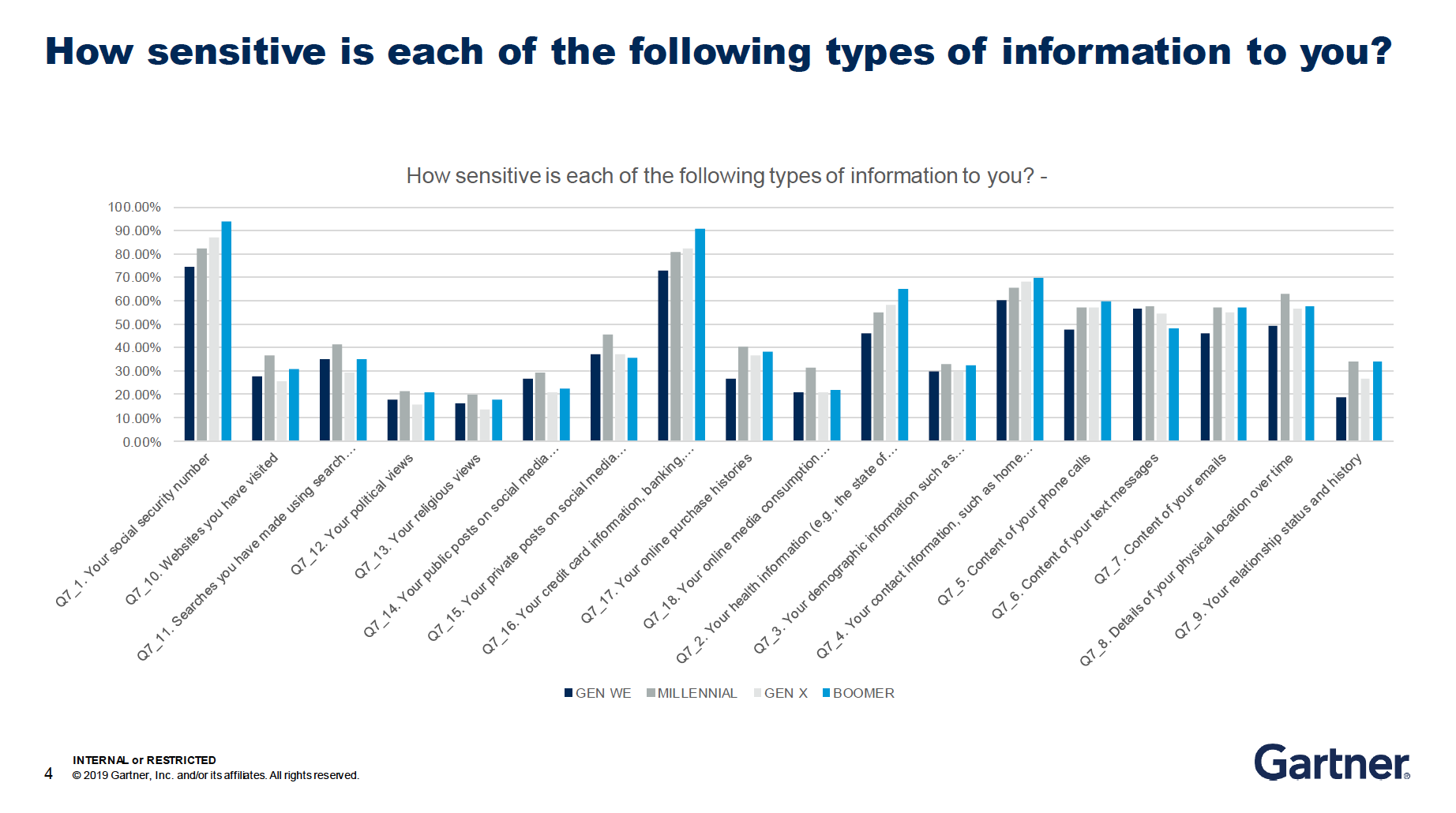
The plan was to share existing consumer research to level set the stakeholders. Paint the consumer-centered story around Data Privacy.
Review relevant research and frameworks.
Discuss future trends
Conduct the “Day in Life of Connected Consumer” user journey exercise
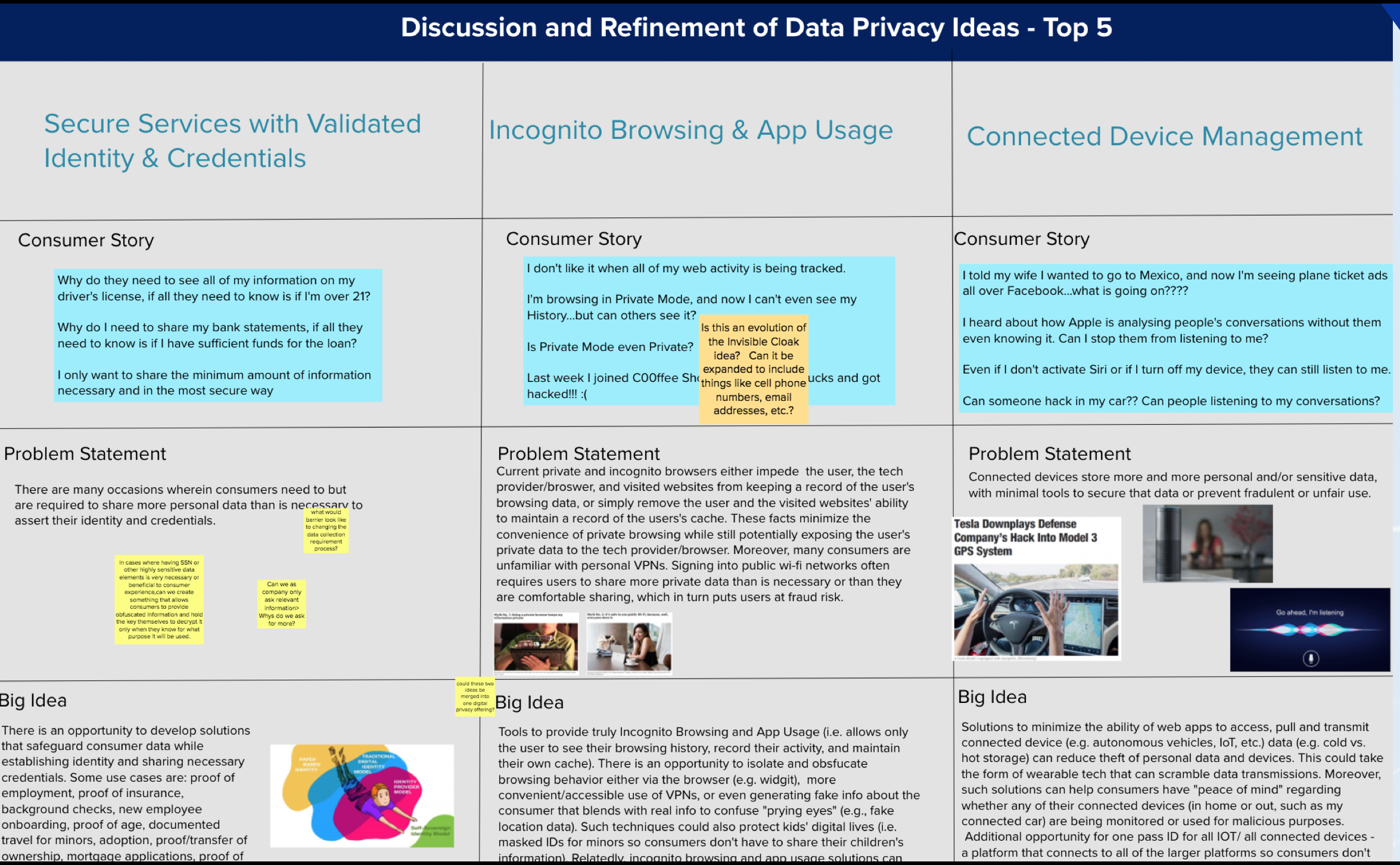
Discussion and refinement of “existing” concepts originating from the Innovation team.
Center ideas around consumer needs and pain points.
Enrich concepts by including consumer story and target market.
Define risk areas and mitigation measures.
Establish elements of value
and success criteria.
Learnings
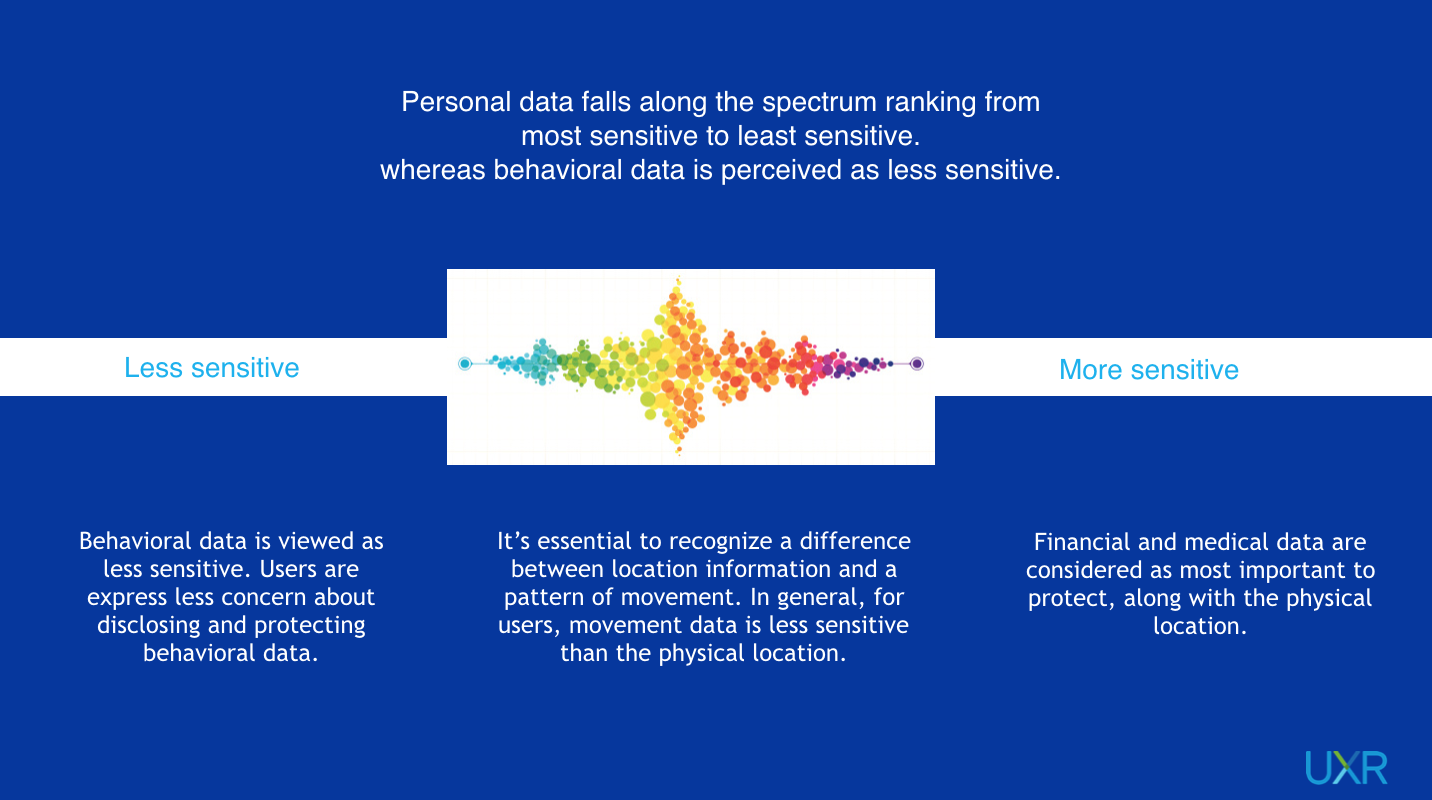
NOT ALL DATA IS EQUAL
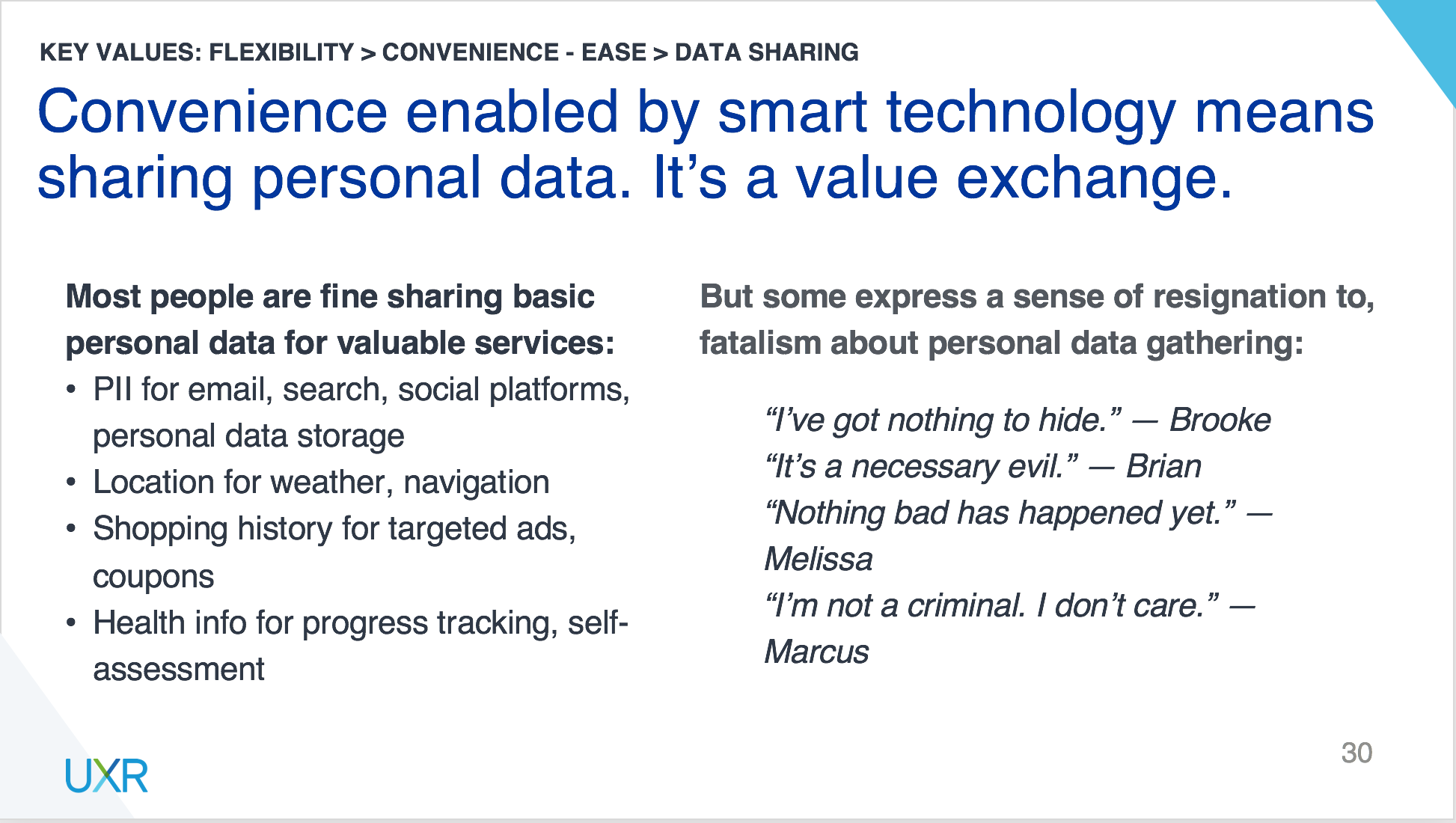
Contradictory to our assumption, Personal Data is not a monolith. It’s much more nuanced, and different data types fall on a spectrum ranging from personal information to behavioral patterns.
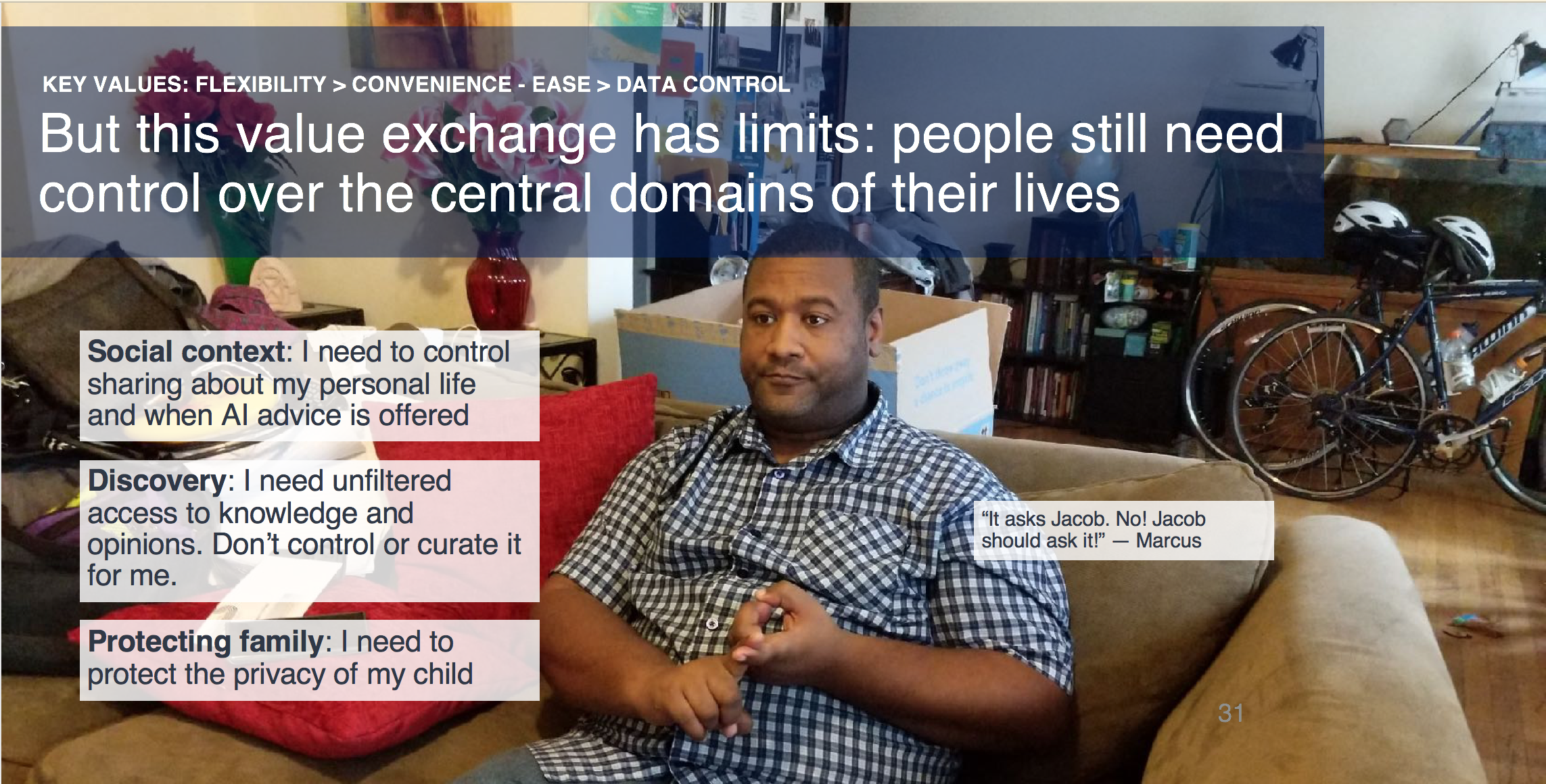
Consumers display different levels of sensitivity to different data types; for example, they are more protective of personal information that makes them easily identifiable than of behavioral patterns, such as their purchasing behavior.
WHAT DO CUSTOMERS REALLY VALUE?
We identified the primary emotional themes associated with data privacy, including trust, flexibility, control, and security.
In addition to those values, a meta-value emerged across all psychographic and demographic groups, namely convenience. Convenience often supersedes security concerns.
CONSUMERS SAY ONE THING AND DO ANOTHER
Customer’s behavior often contradicts their words. It’s called a privacy paradox. It means customers are displaying contradictory behaviors that are inconsistent with their self-reported values. For example, consumers will share highly sensitive information for little rewards.
It leads us to believe that assumed rationality is a myth, and it’s not reflected in consumer behavior.
RECOMMENDATIONS
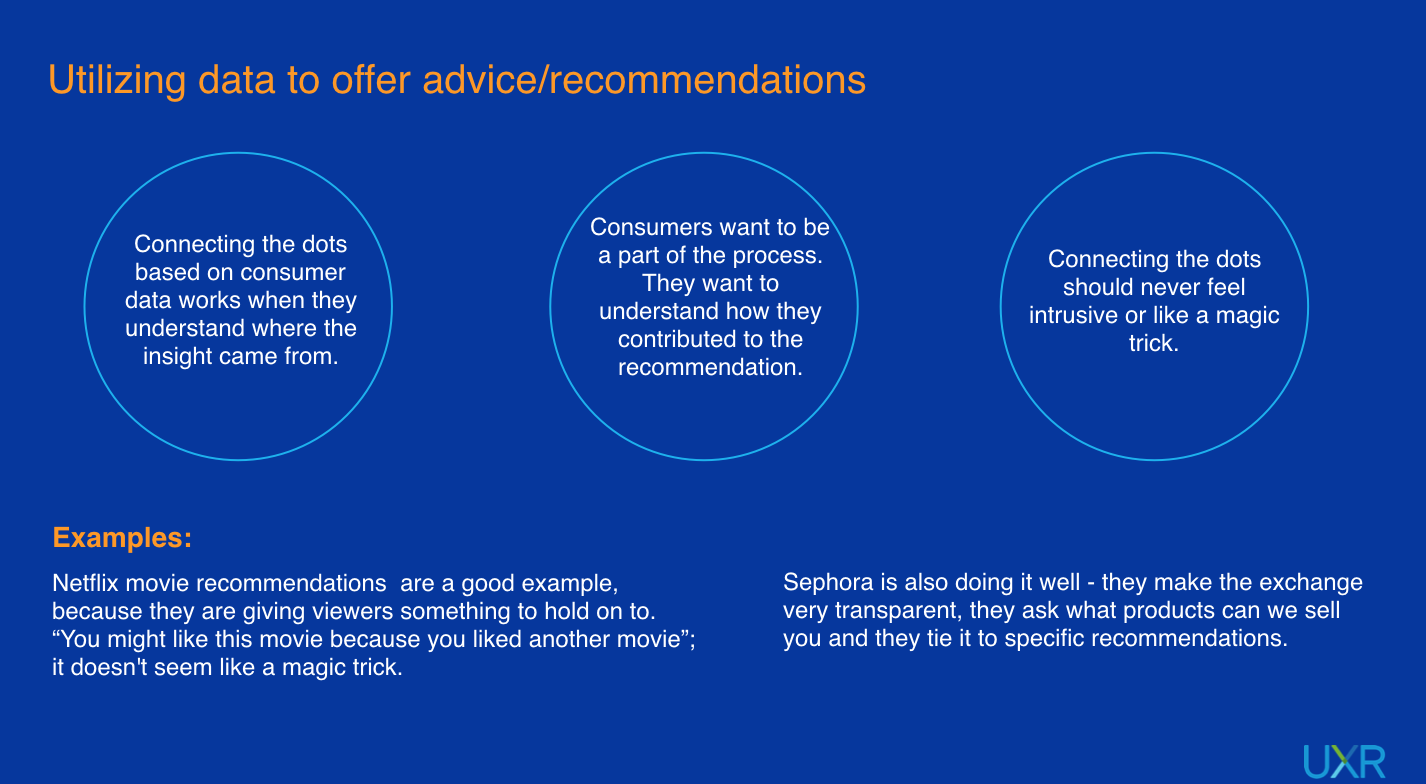
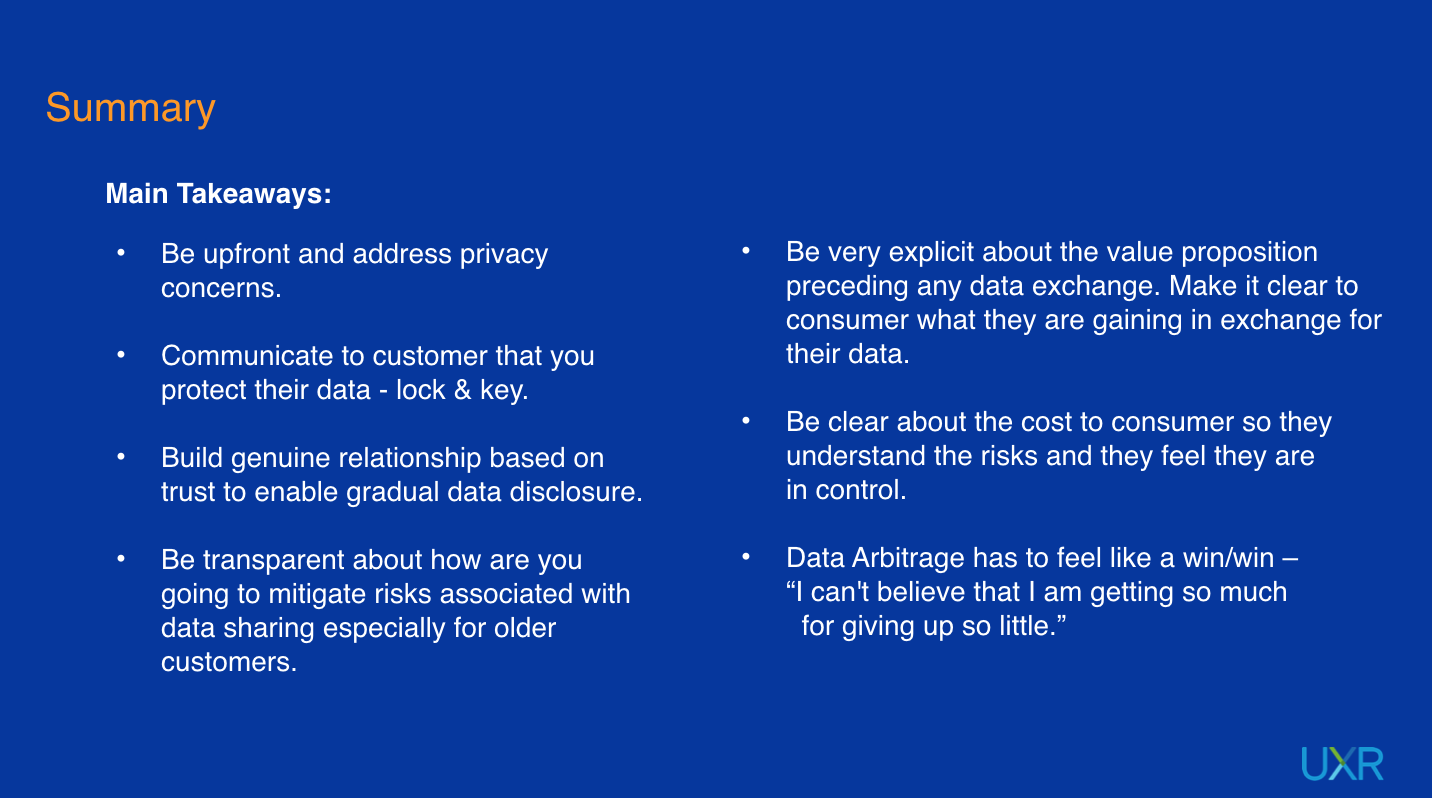
As a result of the synthesis, we complied a list of recommendations to guide the ideation exercises during the last workshop.
OUTCOMES
As a result of the ideation sprint we have identifies several major themes and categories for potential products. And developed narratives to refine each concept for final presentation.
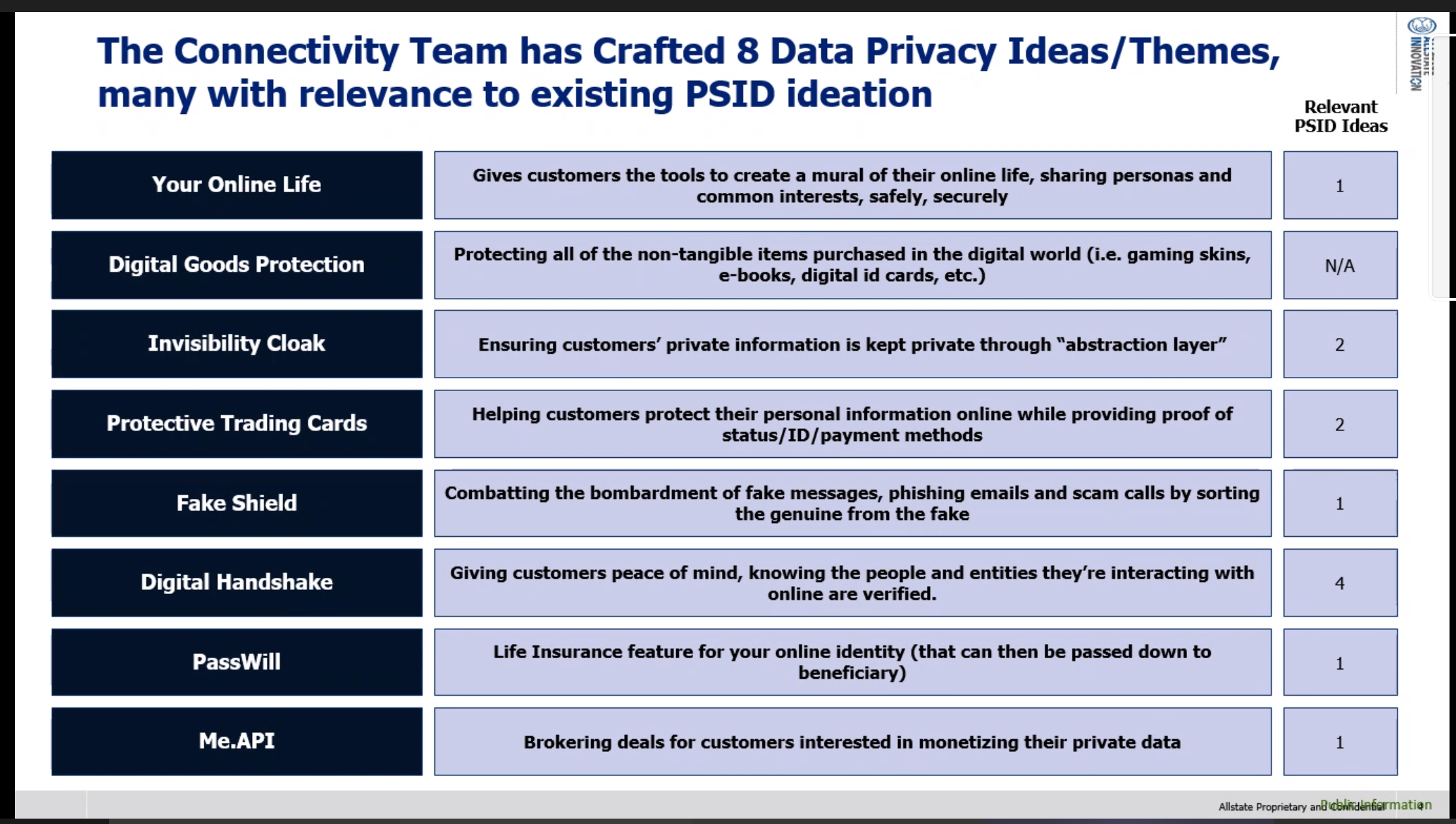
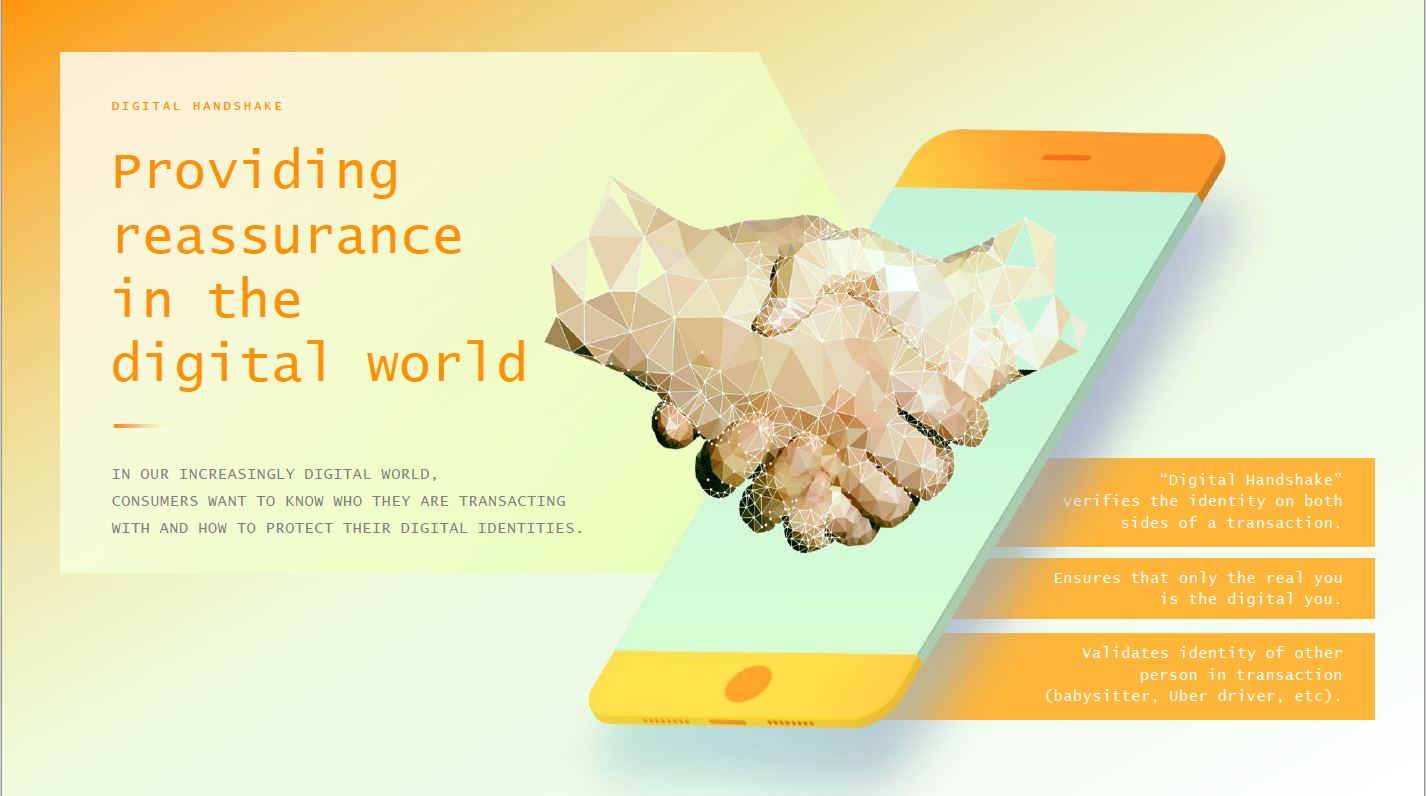
In the end, we defined four data privacy product categories and developed ideas for ten potential products in total. Proposed concepts provided novel ways of engaging with customers in Data Privacy space.
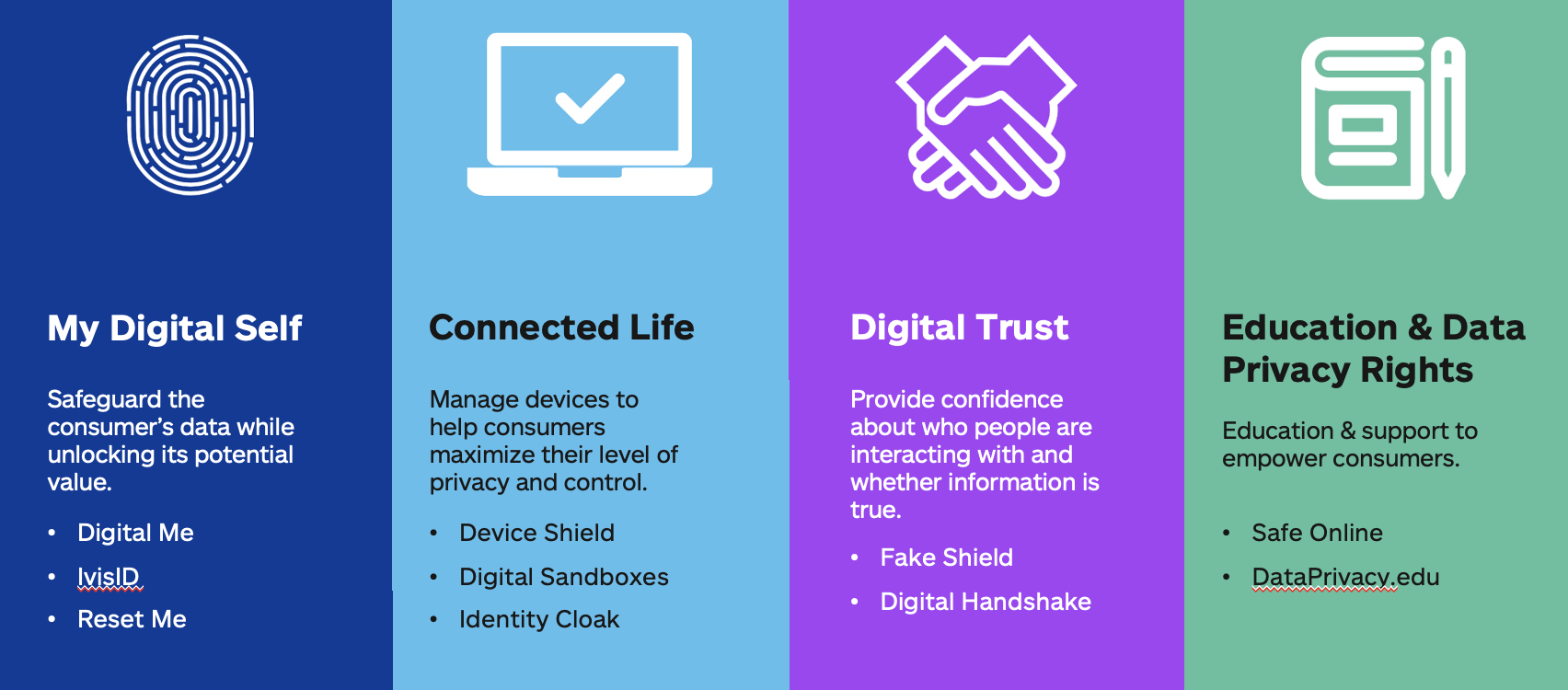
Final Concepts
The final artifacts representing each individual idea within each category were delivered to Operating Committee for final review. And two out of ten concepts were selected for implementation.