
Design System Evolution Over the Years:
Building, Scaling and Increasing Enterprise Adoption.
In today's digital landscape, creating user-friendly experiences demands consistency and efficiency backed by solid research. Recognizing the need for a unified design language across Allstate's growing product portfolio, I initiated comprehensive research to understand user needs, design inconsistencies, and organizational challenges that would inform our first enterprise design system.
Through extensive stakeholder interviews, design audits, and user testing, we established the research foundation that guided the system's development and continuous evolution. Initially built for B2B products, the system later expanded to integrate consumer-facing applications, requiring extensive research to unify disparate design patterns and bring rogue teams into a centralized approach.
Today, Allstate benefits from a mature Design System implemented across the enterprise, accelerating speed to market and ensuring consistent experiences across nearly 100 products developed by Allstate UX and design vendors.
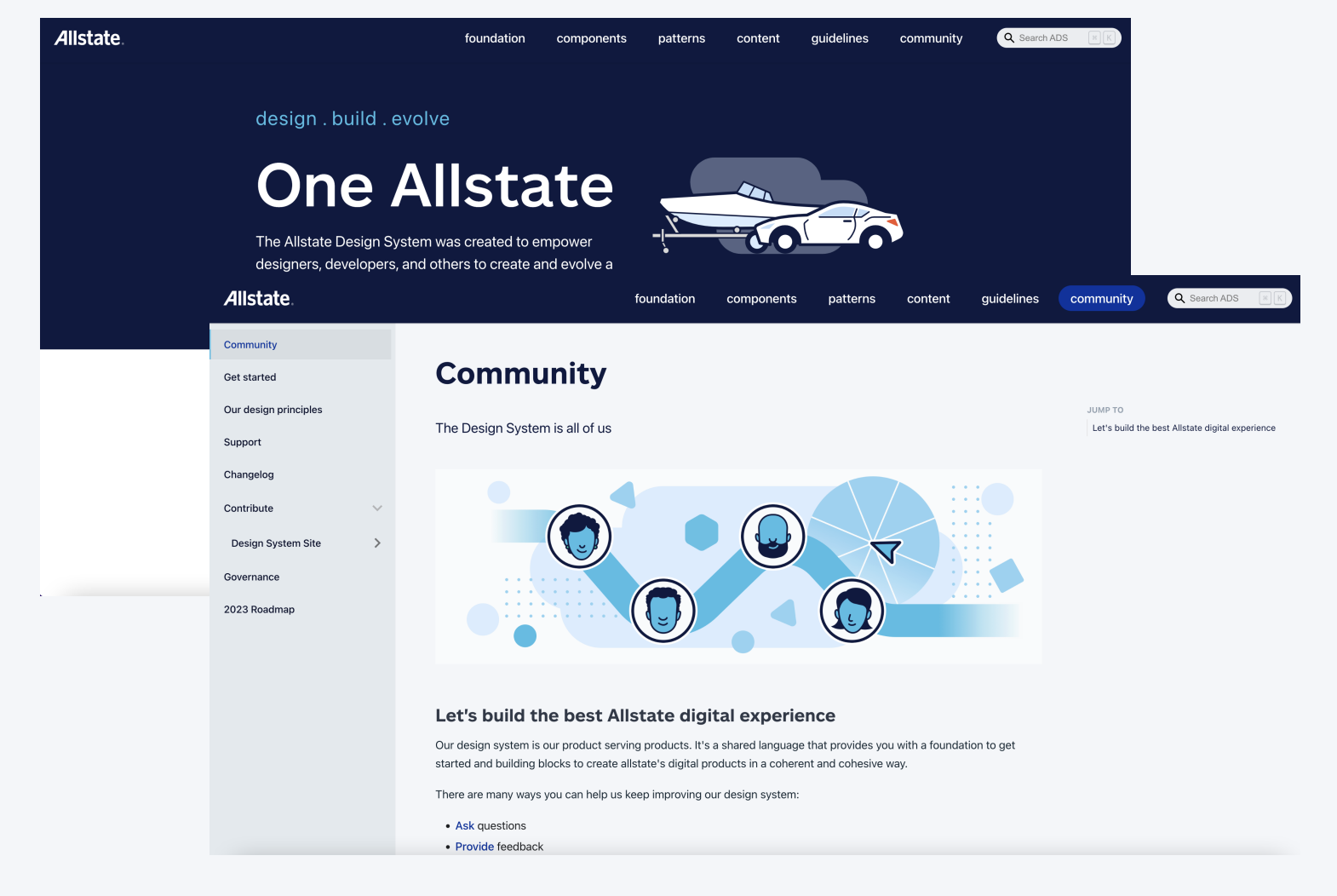
Design System Timeline
Discovery & Problem Definition
The journey began in 2016 when, alongside a front-end engineer, I pioneered the company's first design system (called Pattern Library) through research-driven discovery. Overseeing 12 paired designer teams revamping Allstate agents' applications, we identified rampant design inconsistencies - each team was inadvertently creating variations of the same patterns.
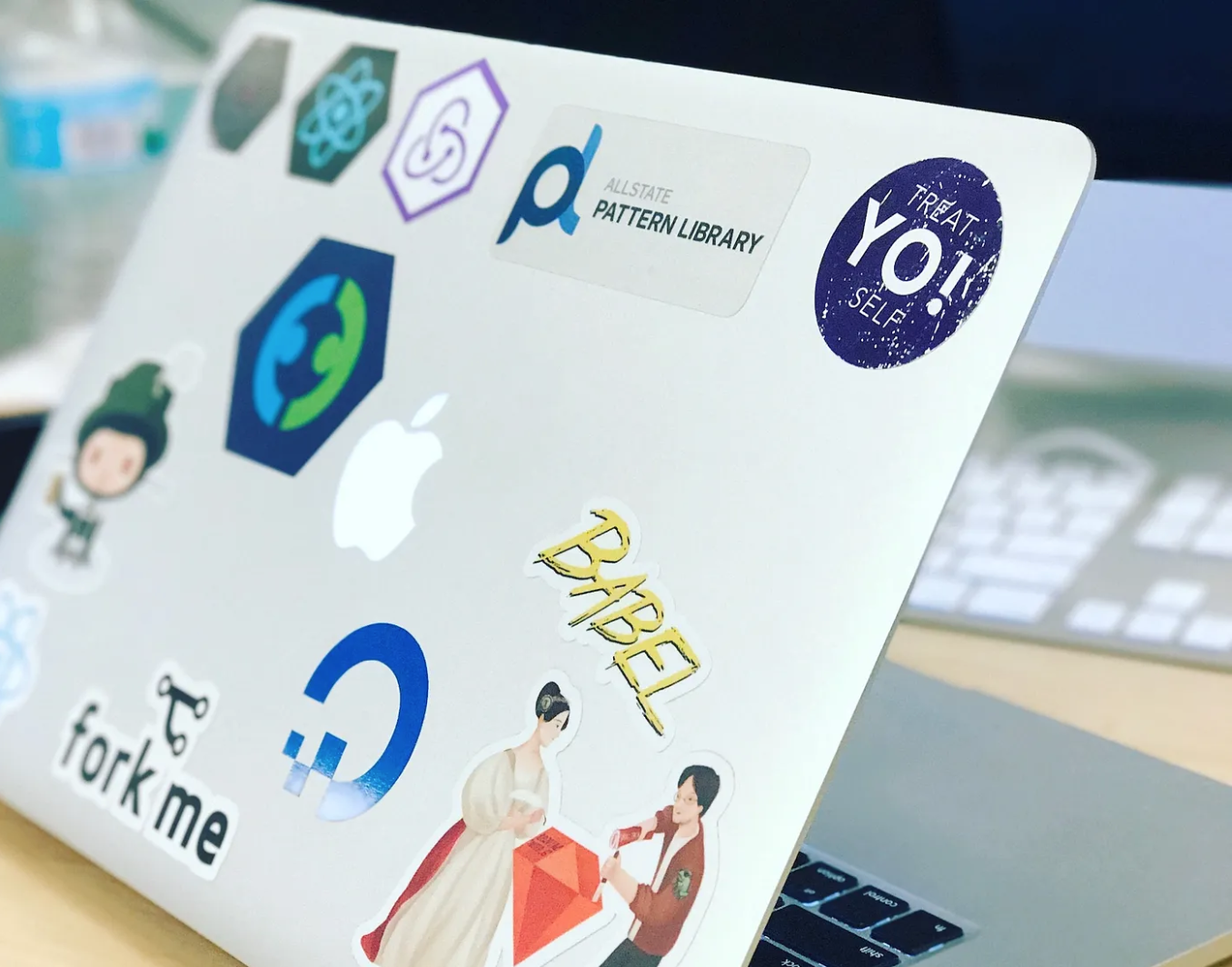
By establishing a comprehensive design system, we aimed to:
• eliminate redundancies
• streamline the design process
• ensure consistency across all platforms
• enhance the overall user experience
• expedite development cycles
Through systematic research, I identified distinct user personas within our design system ecosystem: UX designers, visual designers, developers, and product managers, each with unique needs and workflows.
1.
HOW WE DID IT
User research & stakeholder interviews
We treated internal users as customers, conducting in-depth interviews to understand designer and developer needs and build a system that's simple and usable.
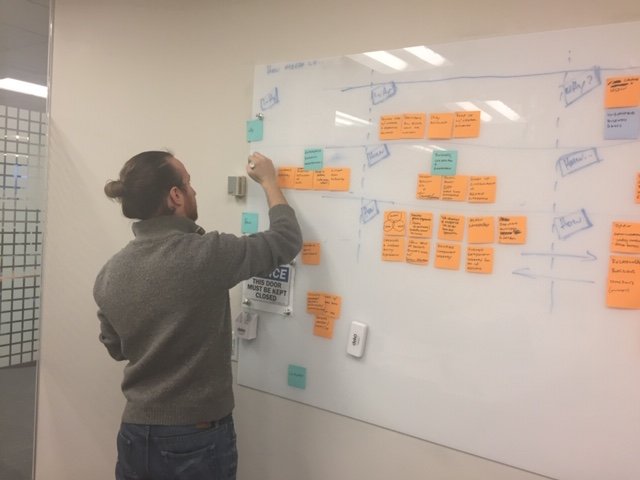
Collaborative card sorting & component workshops
We organized sessions with product designers to establish foundational components and logical categorization through collaborative brainstorming.
5.
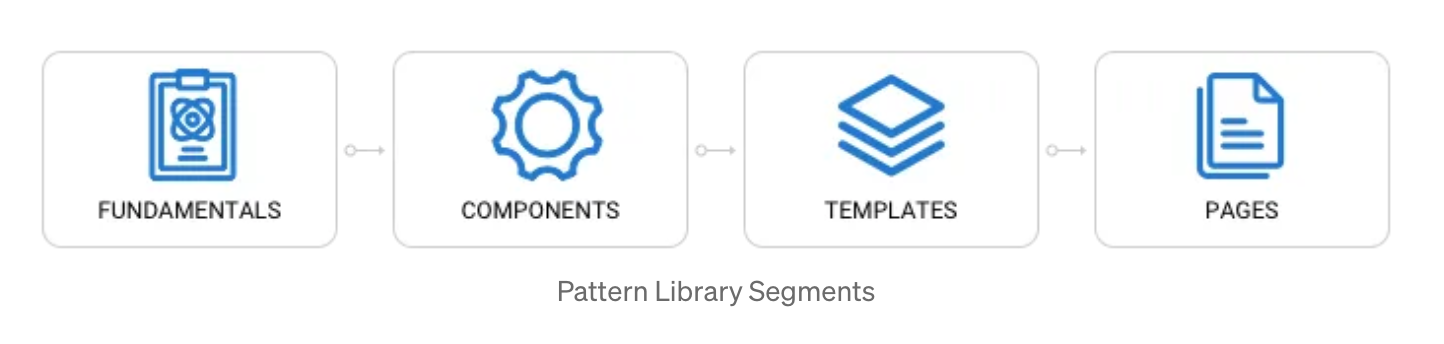
Governance & contribution model design We established clear guidelines for how designers and developers would contribute to the pattern library, including accessibility, color, forms, and payment modal standards.
3.
Centralized foundational elements
We consolidated existing grid systems, colors, and branding while I meticulously crafted patterns in Sketch, refining color palettes and typography systems with clear usage guidelines.
6.
Support infrastructure & adoption facilitation We created Slack channels for design and development support and established office hours to guide teams in component implementation.
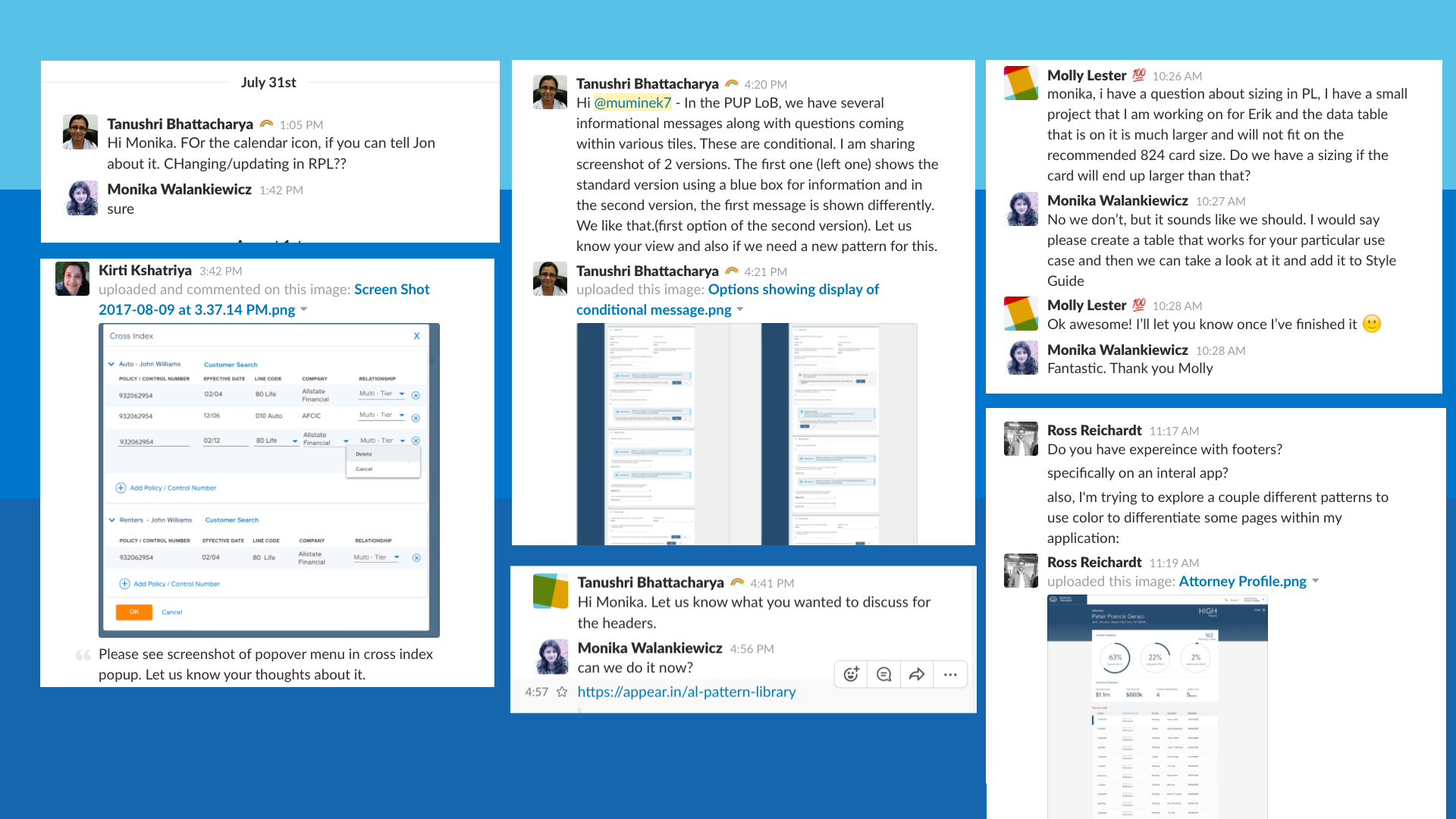
Screenshot from one of the two Slack Channels
4.
Component development & testing
My tech counterpart developed React components and established a GitHub website while we conducted usability testing to validate each pattern before library inclusion.
2.
From Side Project to Strategic Product
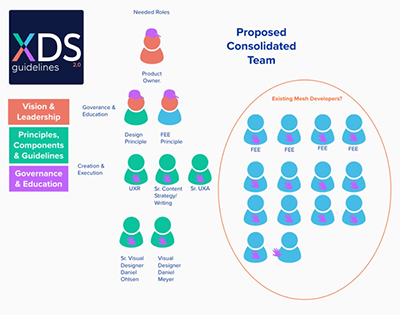
Over seven years, the design system evolved from a side project to a critical enterprise product. In 2021, I spearheaded the transformation initiative, partnering with the design operations manager to present a compelling business case to the VP of Design. Through strategic positioning and detailed ROI analysis, we successfully secured dedicated funding and established the design system as an independent product with its own specialized team.
This pivotal moment marked the shift from volunteer-based maintenance to professional product management. My direct report officially transitioned to lead the newly-formed design system team, ensuring continuity of the research-driven approach that had guided the system since its inception.
What began as grassroots collaboration had become a scalable, enterprise-wide solution.
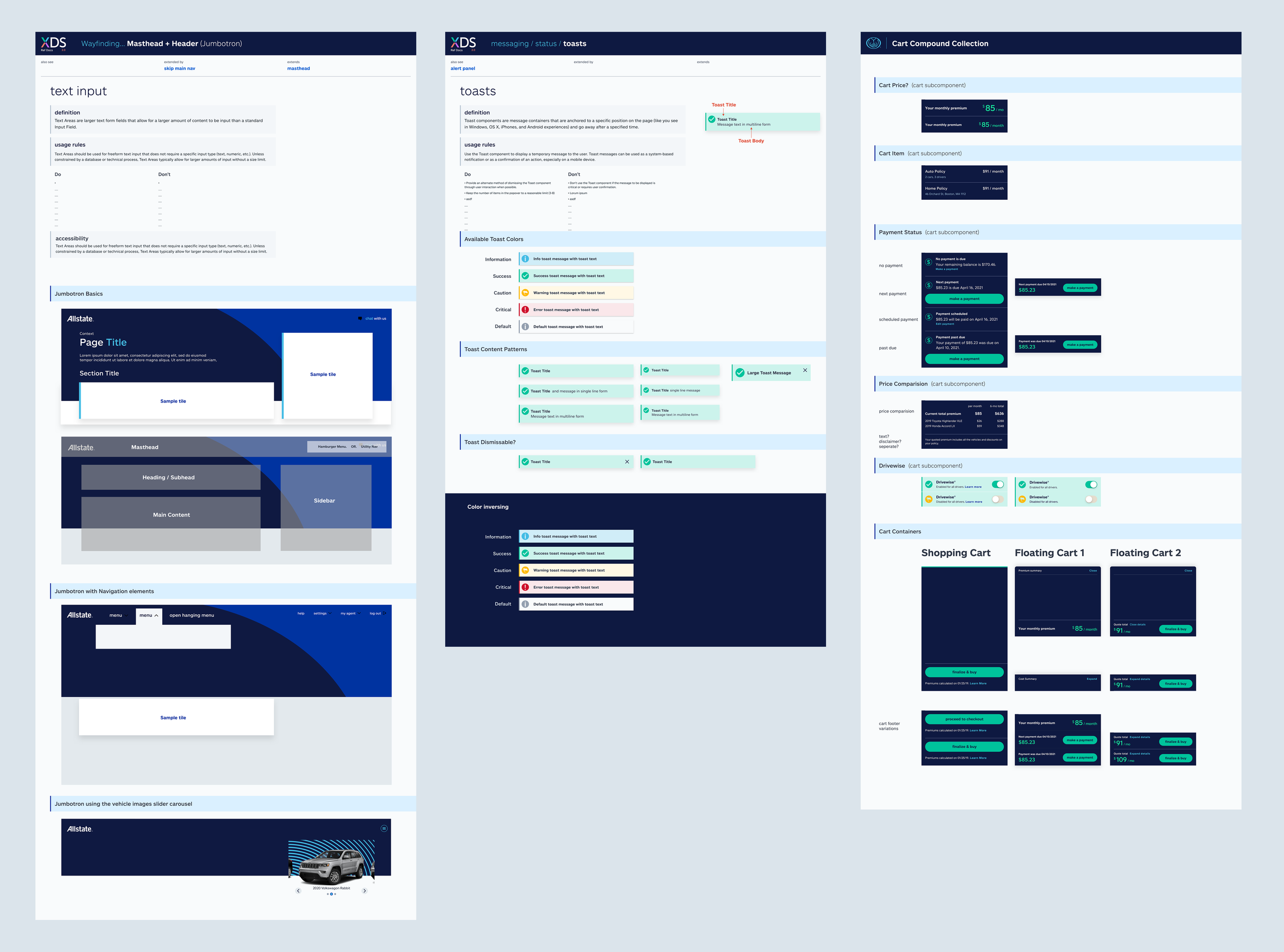
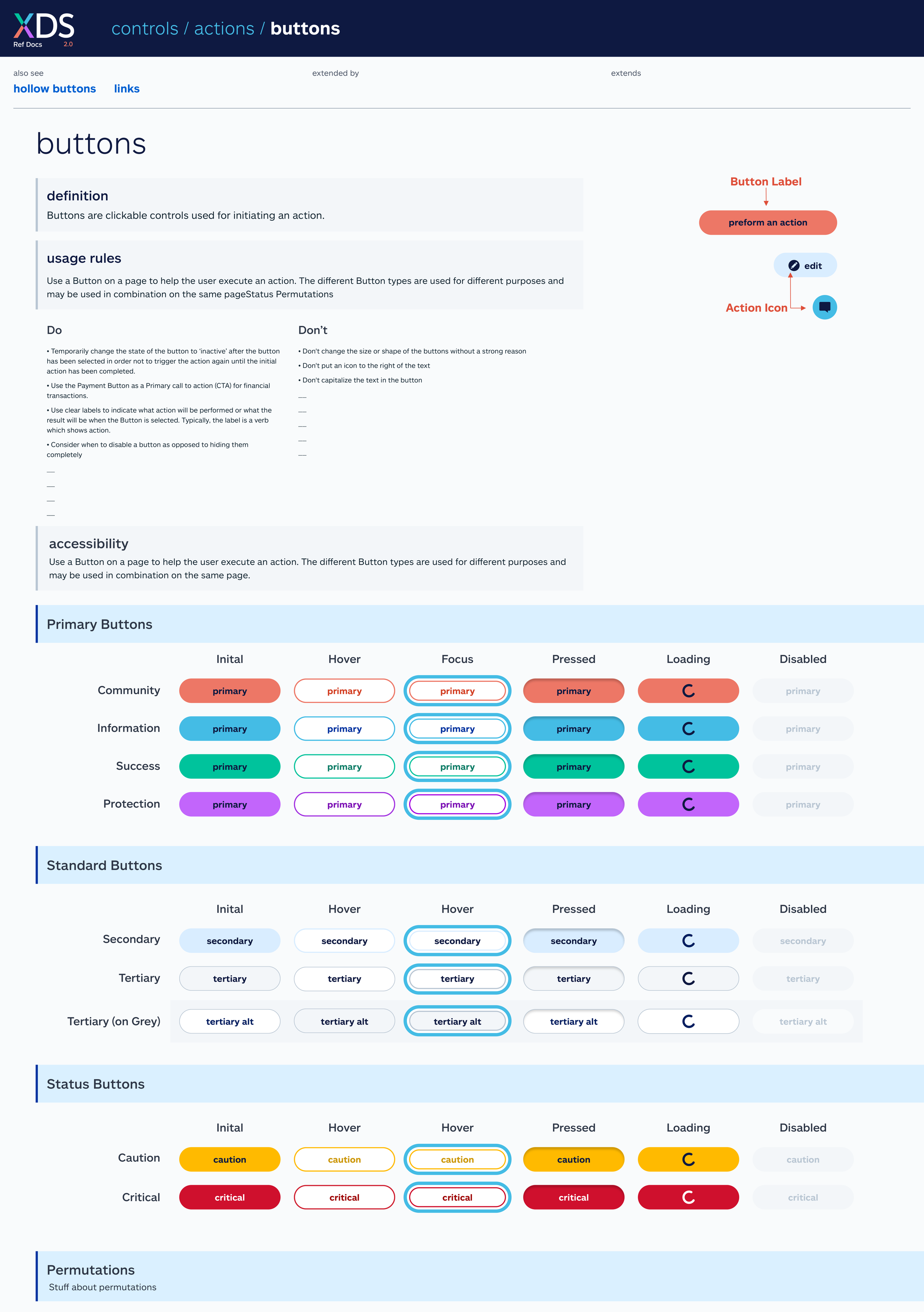
Allstate Design System Pattern Examples
Enterprise Integration & Consolidation Strategy
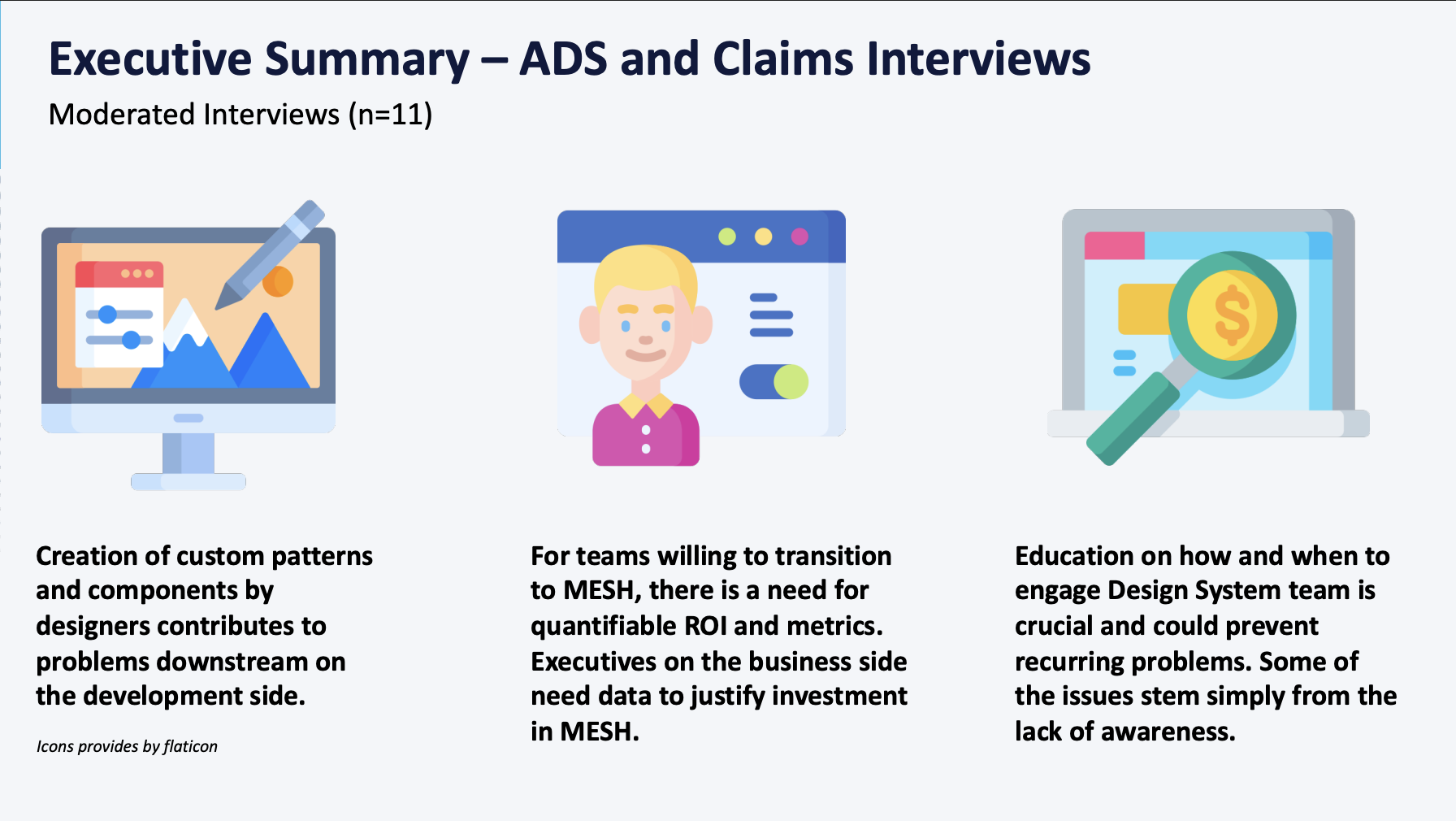
I led a comprehensive research initiative in 2023 to address design system fragmentation across the enterprise. When Claims teams continued operating with three legacy pattern libraries despite our mature design system having 100+ patterns, I conducted stakeholder interviews to uncover root causes and implementation barriers.
My research revealed a critical disconnect: despite extensive pattern coverage, designers frequently requested new components due to overly complex contribution processes and technical debt preventing adoption of existing patterns. Through Figma analytics and multi-stakeholder interviews across Claims, I identified that the real barriers weren't pattern gaps but process friction and technical constraints.
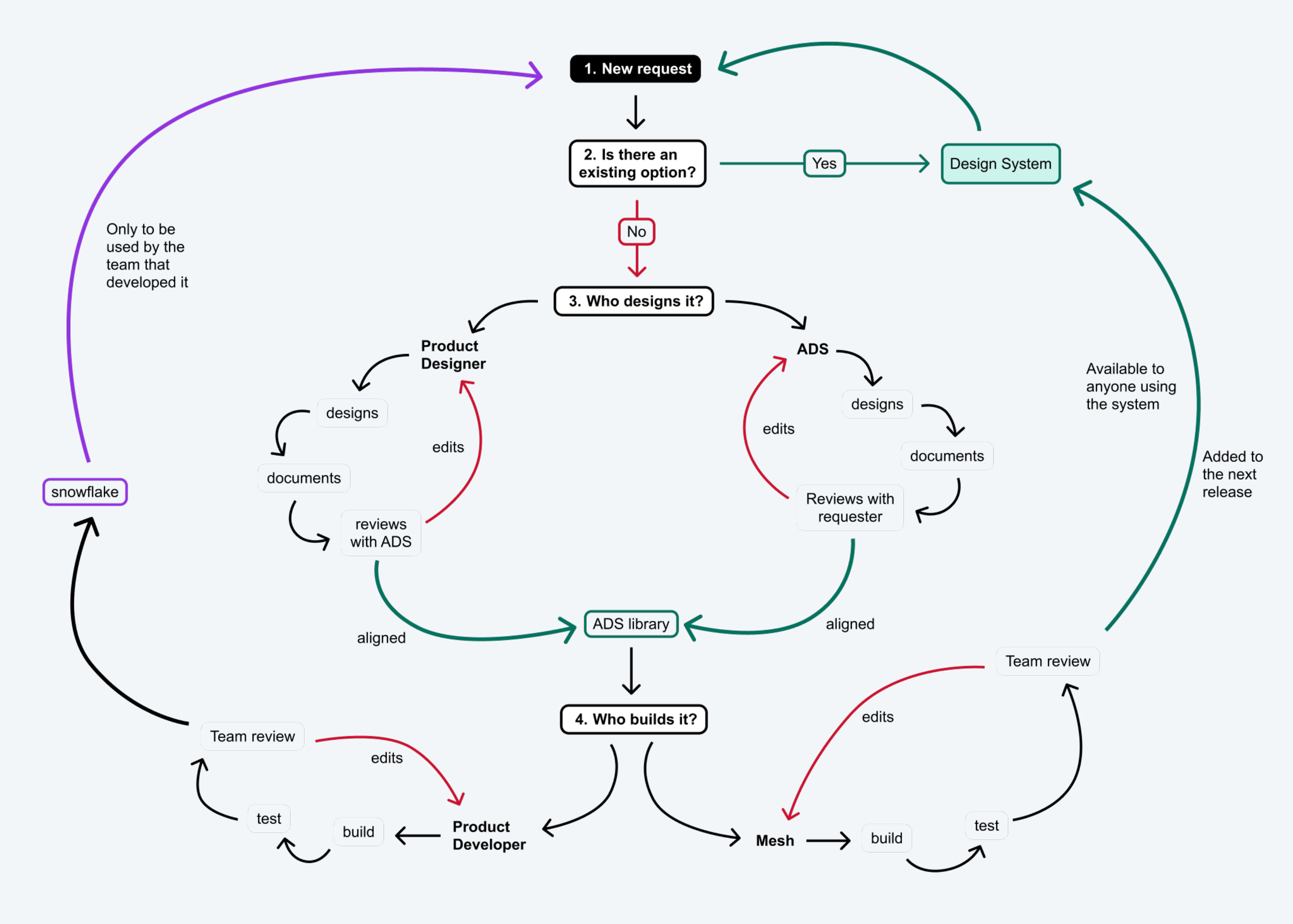
Based on these insights, I redesigned the governance strategy and contribution model using service design principles, created staged adoption plans that addressed technical debt, and transitioned three legacy pattern libraries to the centralized system. This research-driven approach shifted our focus from reactive pattern creation to proactive adoption facilitation, improving both user experience and organizational efficiency across the enterprise.
Relevant documents attached to this initiative:
Key Insights & Evolution
This eight-year journey reinforced that successful design systems require more than just components. They need research-driven governance, cross-functional collaboration, and strategic stakeholder partnerships.
From working alongside front-end engineers and business partners to facilitating sessions with product teams and internal system users, success stemmed from continuously amplifying the voice of the user at every level.
Whether serving internal users who interact directly with the system or ensuring consistent experiences for external customers who consume its output, our approach treated all stakeholders as valued users deserving research-driven solutions.
The transformation from volunteer effort to funded product demonstrates how systematic research, collaborative culture, and unwavering focus on user needs—both internal and external—can elevate design operations to enterprise-level impact.