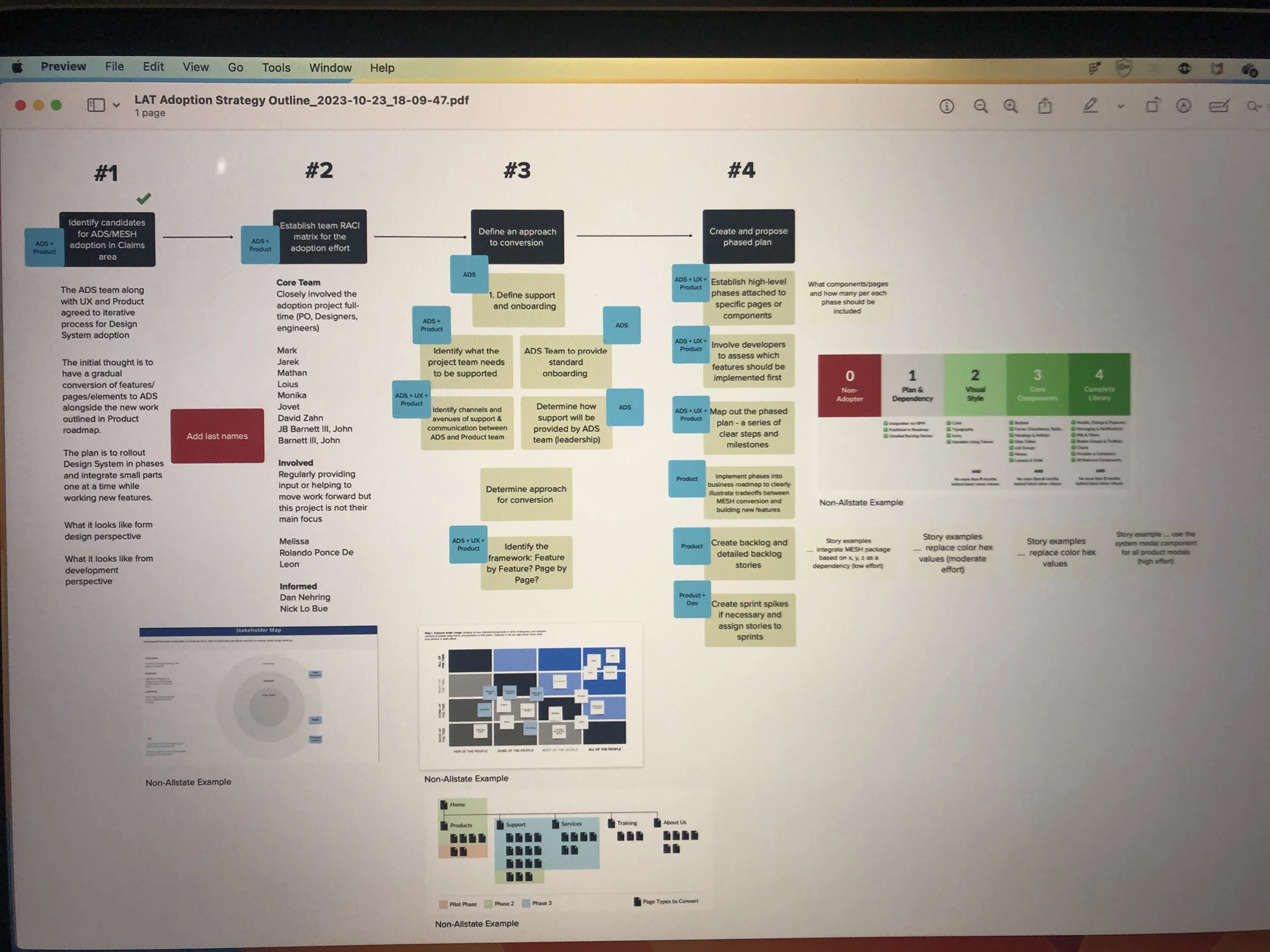
Overcoming Design System Adoption Barriers.
A Research-Driven Consolidation Strategy
Problem Discovery
In 2023, despite our mature design system having over 100 patterns, Claims teams continued to operate three legacy pattern libraries, resulting in design fragmentation and technical debt across the enterprise.
I was asked to consult on the design system to identify the root causes of the Claims product teams not adopting the DS.
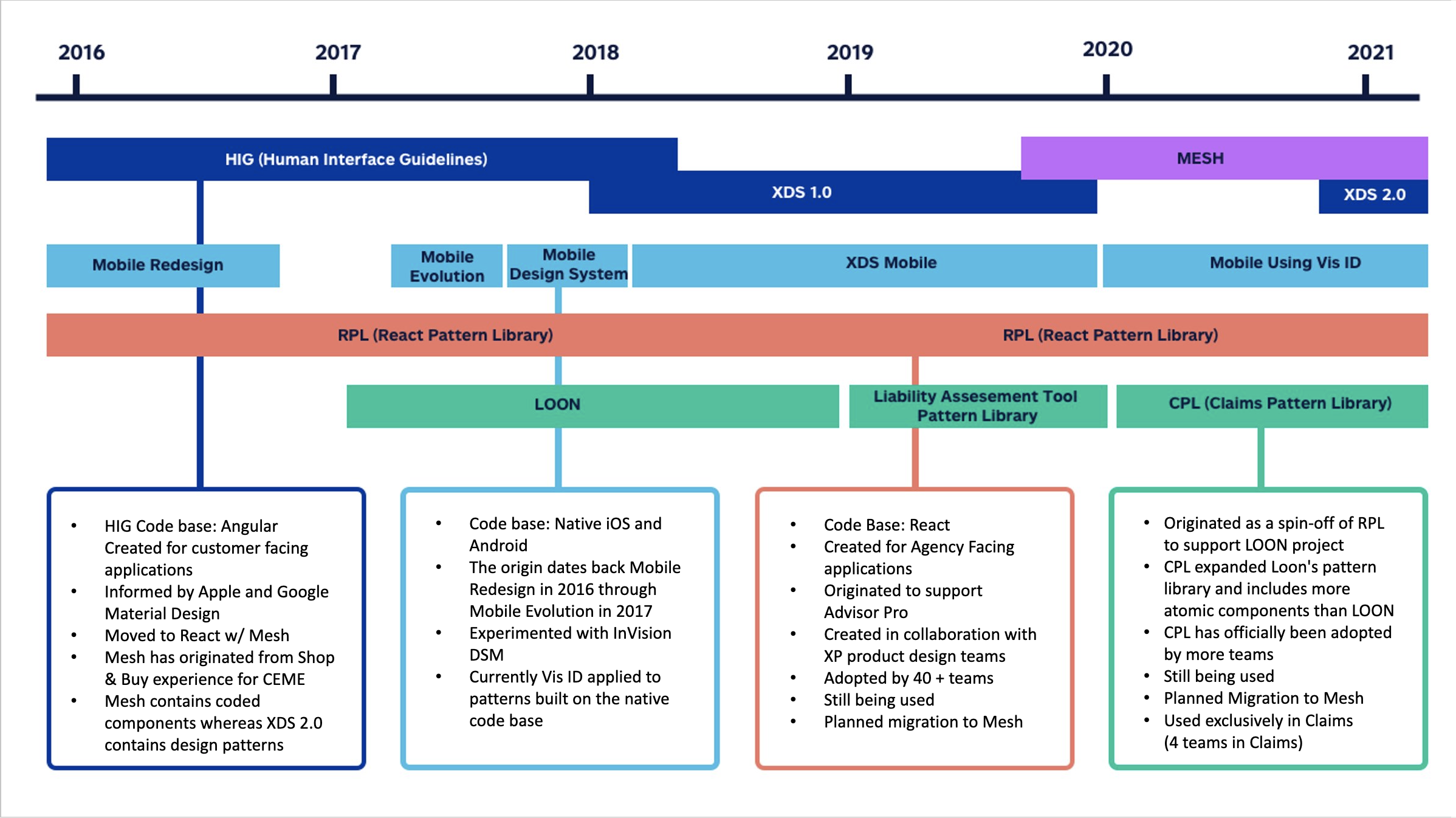
Stakeholder Interviews & Research Process
Initial Discovery Interviews
Iconducted comprehensive interviews with stakeholders across all areas of Claims (designers, product managers, content strategists, and business analysts) to understand the whole ecosystem and identify patterns in adoption barriers.
Technical Deep-Dive Interviews
Based on initial findings pointing to development bottlenecks, I conducted targeted follow-up interviews with technical leads and developers. It allowed me to uncover the specific technical constraints, legacy code dependencies, and infrastructure limitations that were preventing teams from adopting existing design system components.
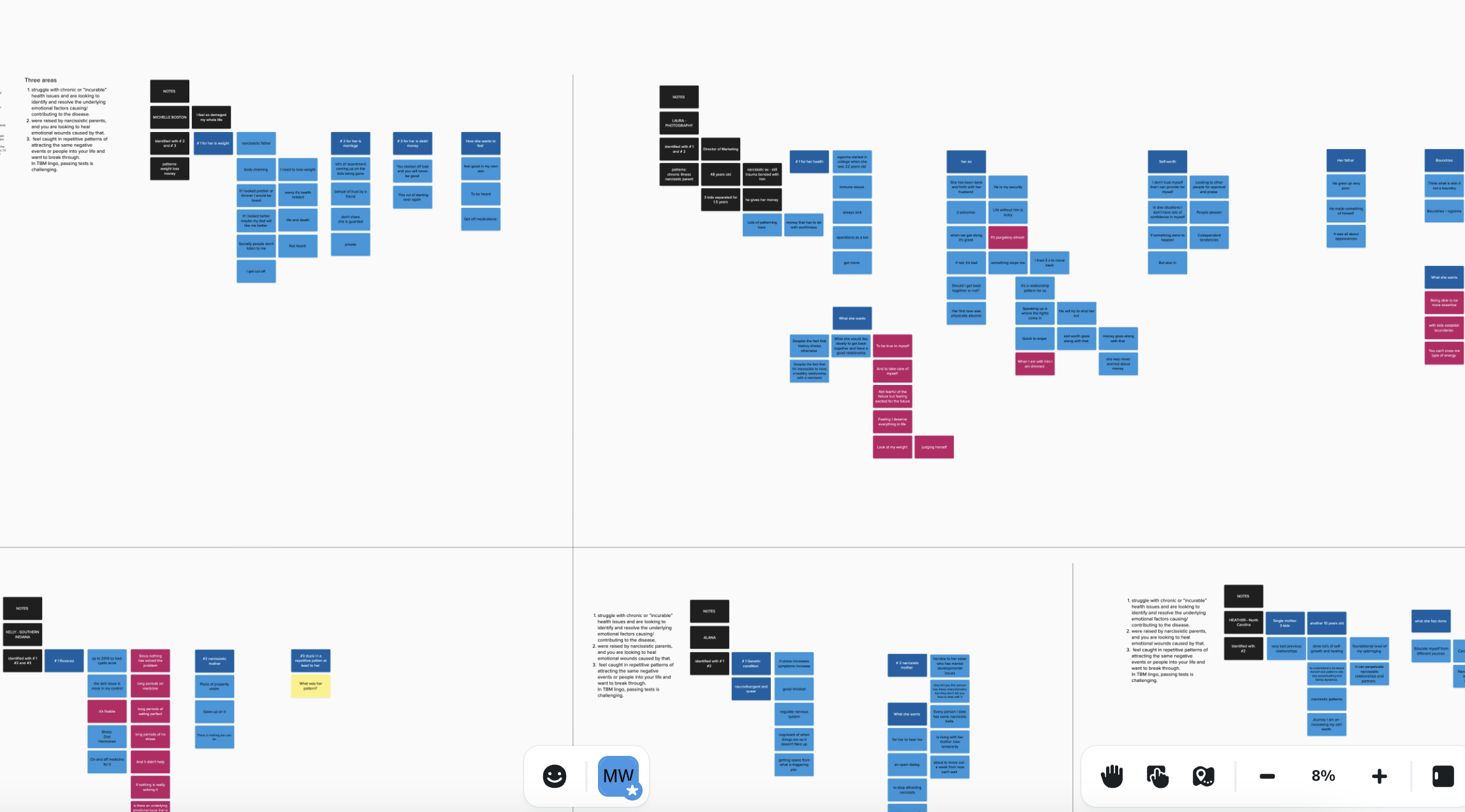
Research Approach
Using structured interview protocols, I systematically captured insights about workflow friction,
debt, and process pain points.
The two-phase approach ensured I understood both the user experience perspective and the technical and design implementation challenges driving the continued use of legacy pattern libraries.
I identified that the real barriers weren't pattern gaps but process friction and technical constraints.
Critical Disconnect Identified
My research revealed that, despite extensive pattern coverage (100+ components), the real barriers weren't pattern gaps but rather process friction and technical constraints that prevented the adoption of existing patterns.
Process-Timeline Misalignment
The contribution process wasn't aligned with agile development timelines. It took longer to create and integrate patterns into the design system than project deadlines allowed.
Technical Debt Cascade Effect
When teams eventually upgraded to newer design system versions, the custom code would break, creating extensive cleanup work. This reinforced the teams' reluctance to adopt the centralized system.
Solutions & Impact
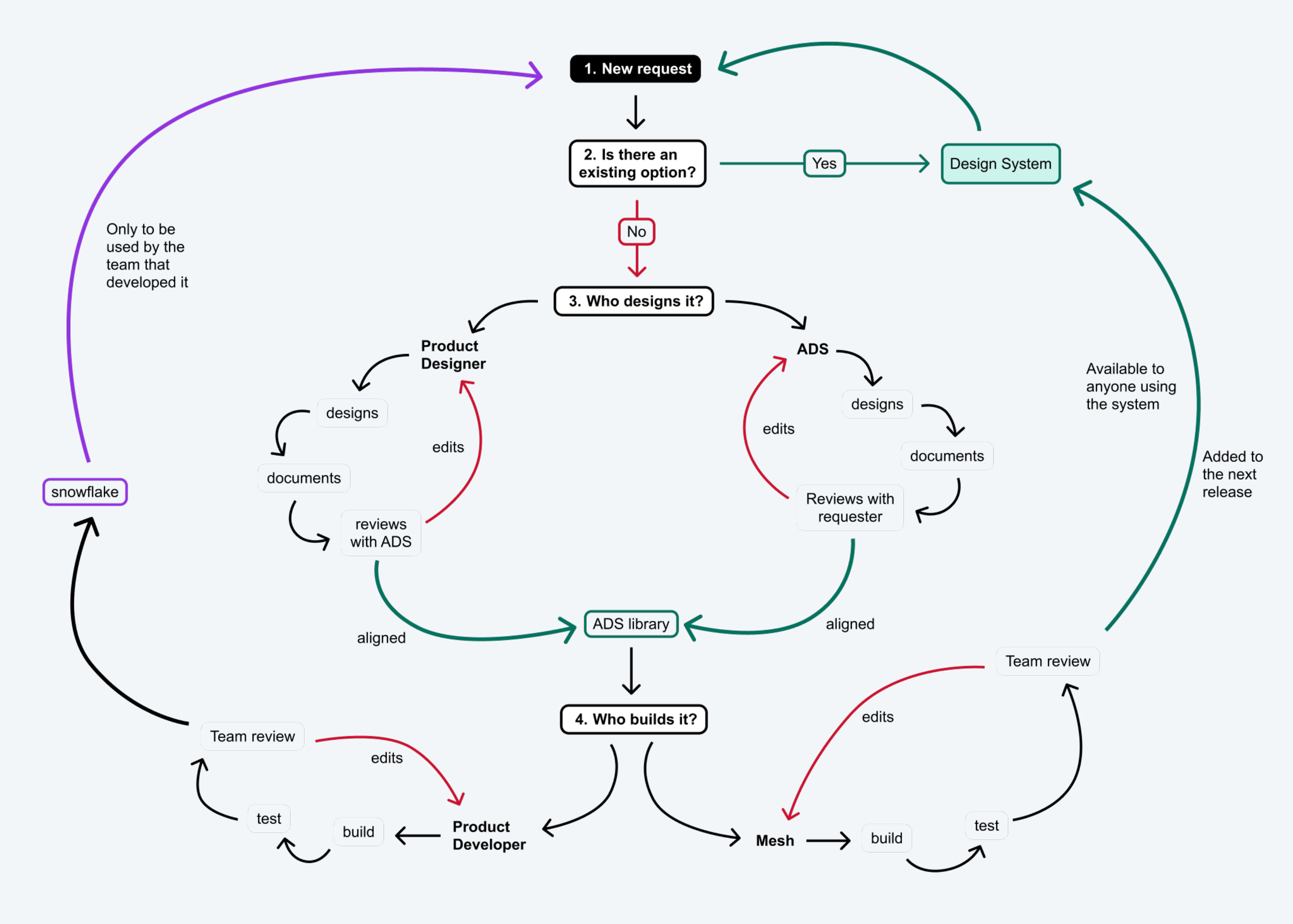
Based on research insights, I redesigned the governance strategy using service design principles, created staged adoption plans to address technical debt, and successfully transitioned one legacy library to a centralized system.
This shifted our focus from reactive pattern creation to facilitating proactive adoption.
Contribution model process